

Welcome to the one hundred thirty-third edition of the Haunted Montreal Blog! This month, we delve into the story of The Relief, a steamship rumored to be haunted that navigated Montreal’s Lachine Canal a century ago.
With over 600 verified ghost stories, Montreal stands as the most haunted city in Canada, and arguably in all of North America. Haunted Montreal is dedicated to exploring these paranormal legends, and the Haunted Montreal Blog reveals a newly researched ghost story on the 13th of each month!
This service is complimentary, and you can subscribe to our mailing list (located in the top right corner for desktop users and at the bottom for mobile devices) if you would like to receive it each month on the 13th! The blog is available in both English and French!
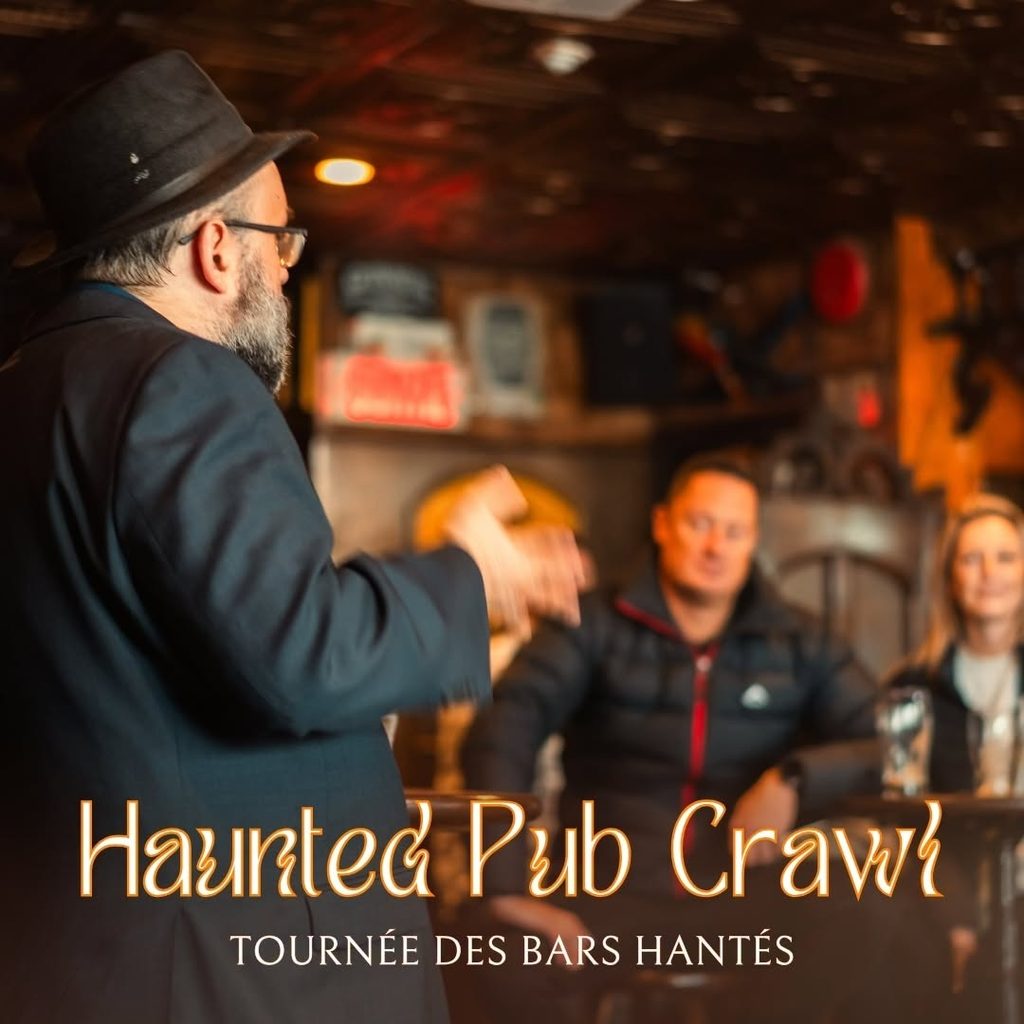
As we embrace the spooky season, our full array of outdoor walking tours is operational, along with our three paranormal investigations. Our Haunted Pub Crawl is held every Sunday at 3 PM in English, and on the last Sunday of the month at 2 PM in French.
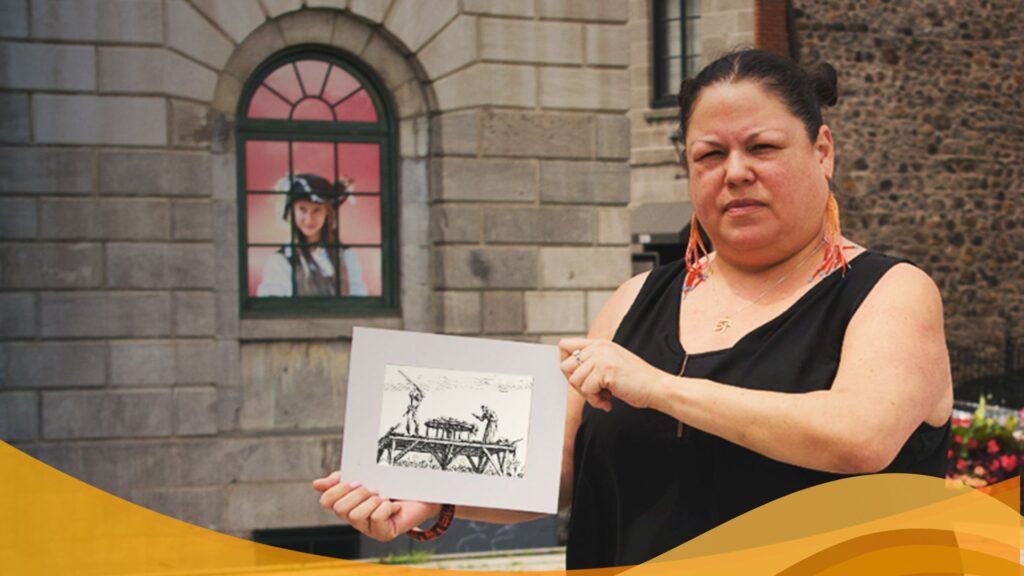
Our latest daytime tour, the Indigenous-Led Colonial Secrets of Old Montreal, is available every Saturday at 2 PM in English and 4 PM in French (with a special Sunday edition today at 2 PM in English).
Be sure to check out our Company News Section for the latest updates!
Haunted Research
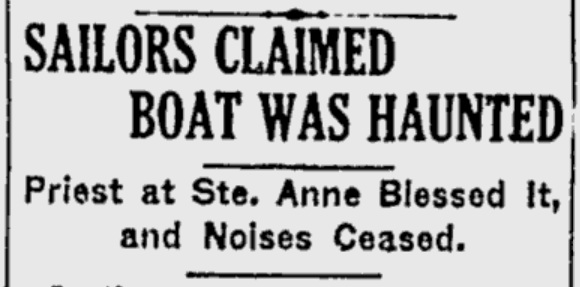
An article published in the Ottawa Citizen on October 23, 1926, detailed a haunted steamship with ties to Montreal. This piece, titled “Sailors Claimed Boat Was Haunted,” was inspired by the memories of retired Captain William Bothwell. He had heard this eerie tale from a man named Lefebvre, who served as the second mate on the Relief.
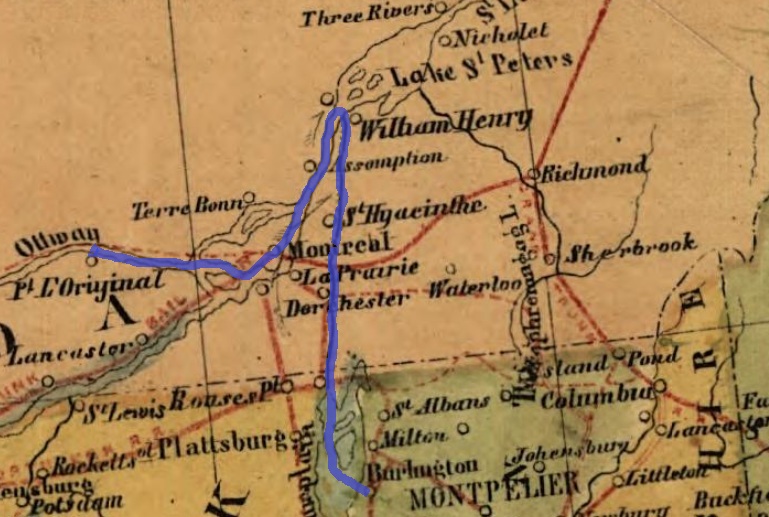
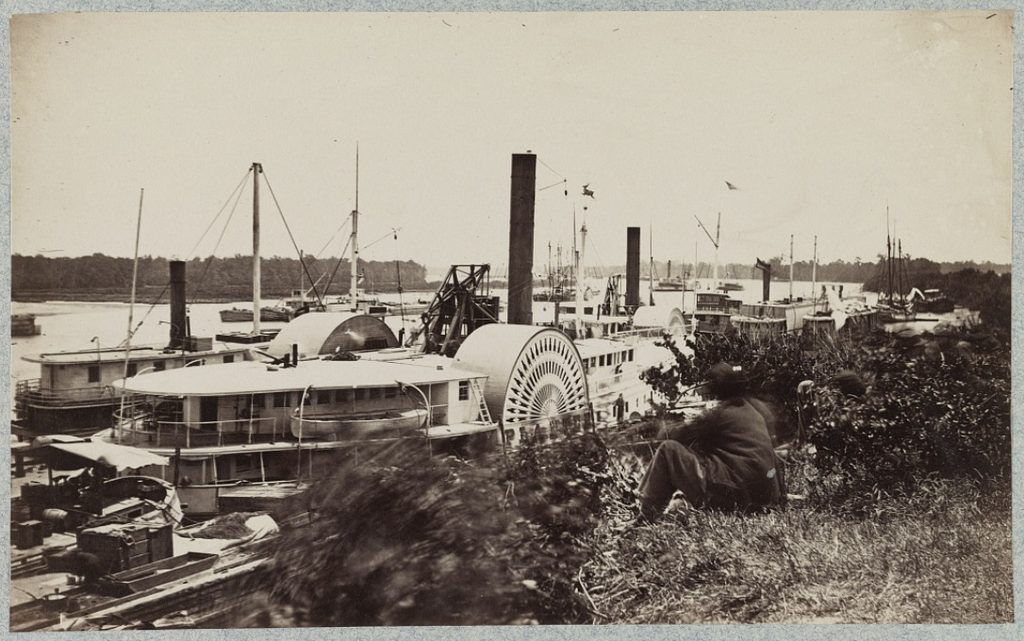
Constructed in Montreal in 1865, the Relief was a 65-ton steamer designed to transport raw lumber from Ottawa to Burlington, Vermont by towing logs on barges or scows.
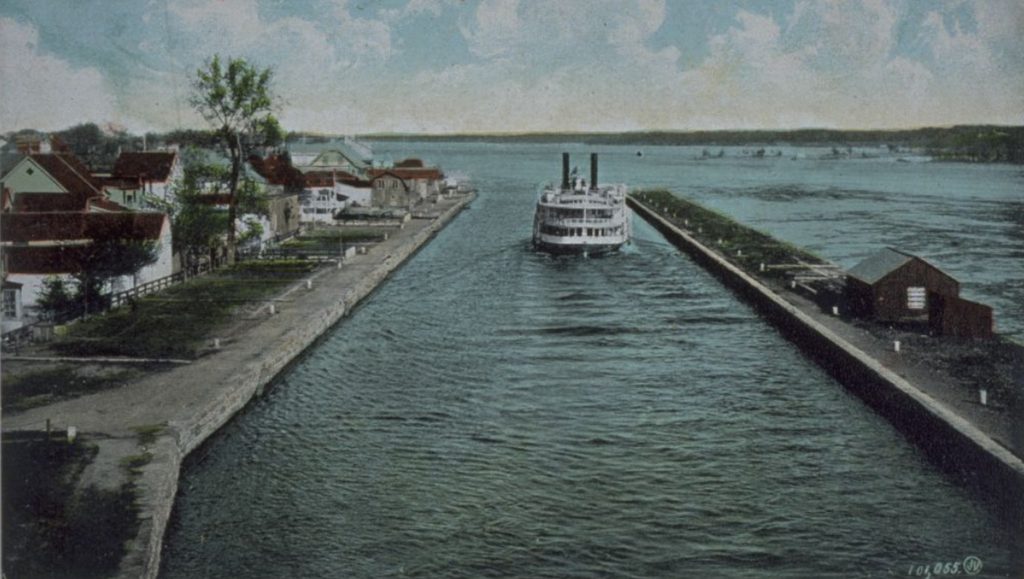
The journey lasted approximately one week to ten days and included a perilous route involving rivers, canals, locks, rapids, American customs, and finally Lake Champlain. This voyage also required passage through the Lachine Canal in Montreal, stopping at St. Gabriel’s lock in the infamous neighborhood of Griffintown.
The Ottawa Citizen article elaborated:
“In the year 1870, a steamer named the Relief operated on the Ottawa. It was part of the Auger fleet based in Montreal. The Relief towed barges loaded with lumber shipped from the H. F. Bronson mills here to Burlington.”
The Auger fleet refers to the vessels owned or operated by J. B. Auger & Co., a Montreal maritime and shipbuilding firm with facilities on the Lachine Canal, encompassing a warehouse and workshop.
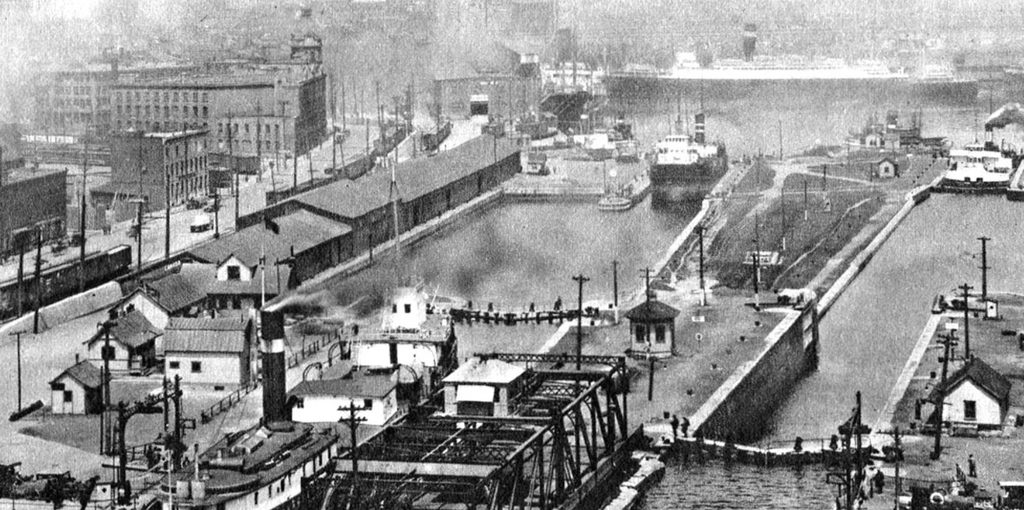
At that time, it was estimated that around 45 steamers and 251 barges were transporting lumber down the Ottawa River, employing approximately 2,000 men.
The H. F. Bronson mills were among the major sawmilling operations at Chaudière Falls in Ottawa. This large industrial complex included the sawmill, lumber yards, piling grounds, sheds, offices, and facilities for processing logs and finished lumber.
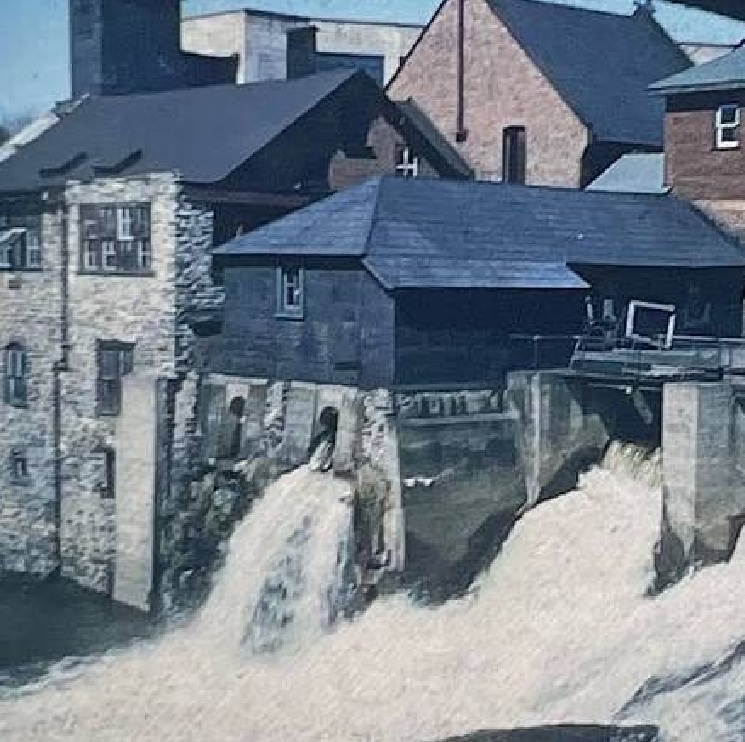
The journey from Ottawa to Burlington, Vermont, included two particularly hazardous regions for mariners. The first was the notorious neighborhood of Griffintown, located on the Lachine Canal, where vessels frequently had to anchor overnight until the locks opened in the morning. This shanty town was predominantly inhabited by impoverished Irish Famine survivors and their families. It was unsanitary, rife with crime, and posed numerous hazards and temptations. At night, sailors often deemed the Griff a no-go zone and remained aboard their ships.
On the same page of the Ottawa Citizen, another article titled “GRIFFINTOWN WAS A BAD PLACE FOR BOATMEN: Men Who Navigated the Ottawa River Faced Hardships There” appeared.
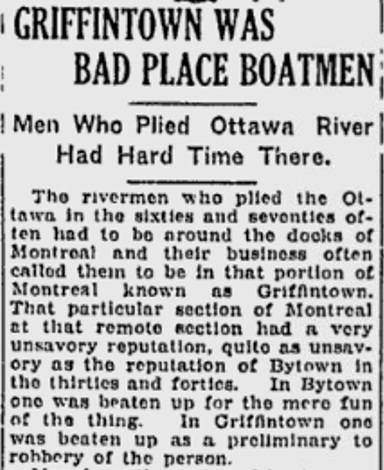
This article also featured retired Captain William Bothwell, who remarked:
“It was akin to the Bowery in New York. The area was frequented by very tough gangs. If a riverman was foolish enough to wander there alone at night, he would be approached by a single individual asking for a match or the time. If he paused, three or four others would sneak up from a dark corner, and while the victim fumbled for a match, they would pounce on him, either to strike him with a piece of lead pipe or something similar.”
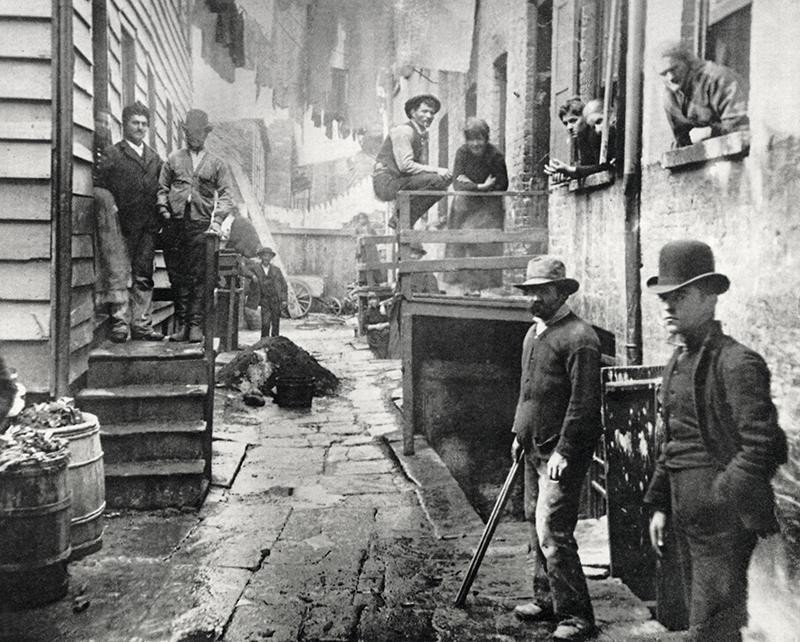
The captain further explained: “I often found it necessary to enter Griffintown at night to locate my men or hire new crew members, and I always carried a revolver tucked up my sleeve. If I encountered any of the gangs, I would simply reply, ‘Haven’t any,’ or ‘Don’t know,’ and continue walking. Then I would glance back to see if I was being followed. On one occasion, one of my men was trailed by three individuals almost to the boat. Near the boat, he turned, drew his gun, and warned the men that he would fire if they took another step. They retreated.”
While the first danger on the voyage included thugs and criminals in the Griff preying on sailors, the second peril was significantly more lethal. At Sorel, steamers frequently encountered shifting sandbars, treacherous currents, and fierce storms. Moreover, sailors had to execute a challenging navigational maneuver to transition from the St. Lawrence River into the Richelieu River, both of which flowed downstream toward the Atlantic Ocean.
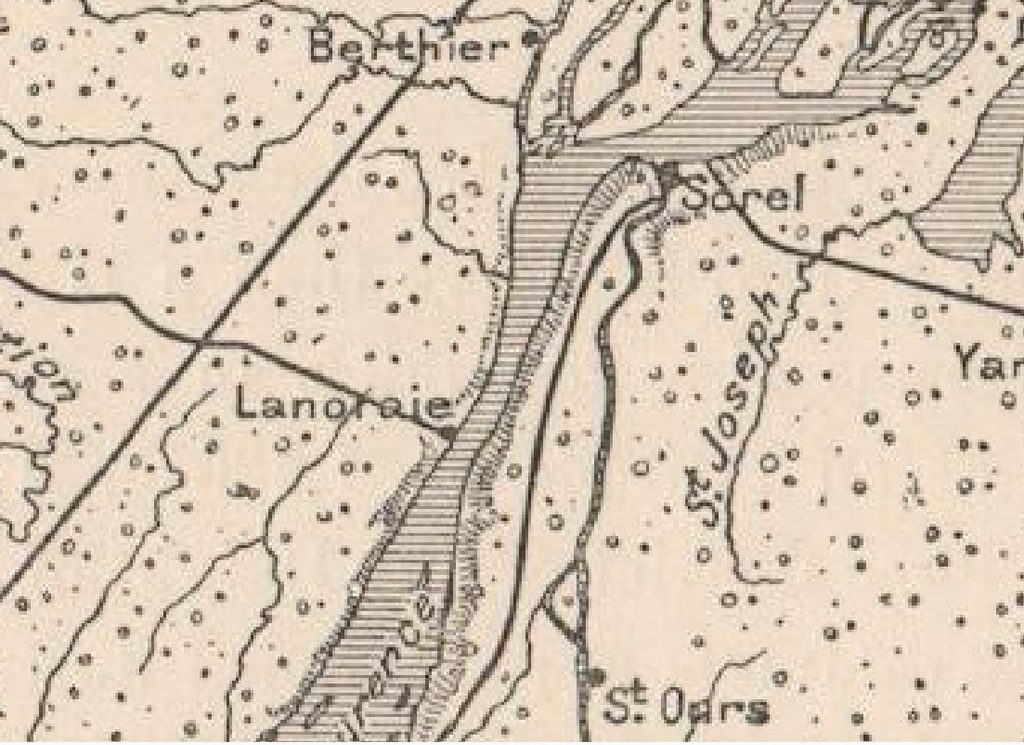
Switching rivers necessitated that ships and their barges pivot and navigate upstream in the Richelieu after moving with the current in the St. Lawrence.
Referring back to the initial Ottawa Citizen article, it stated:
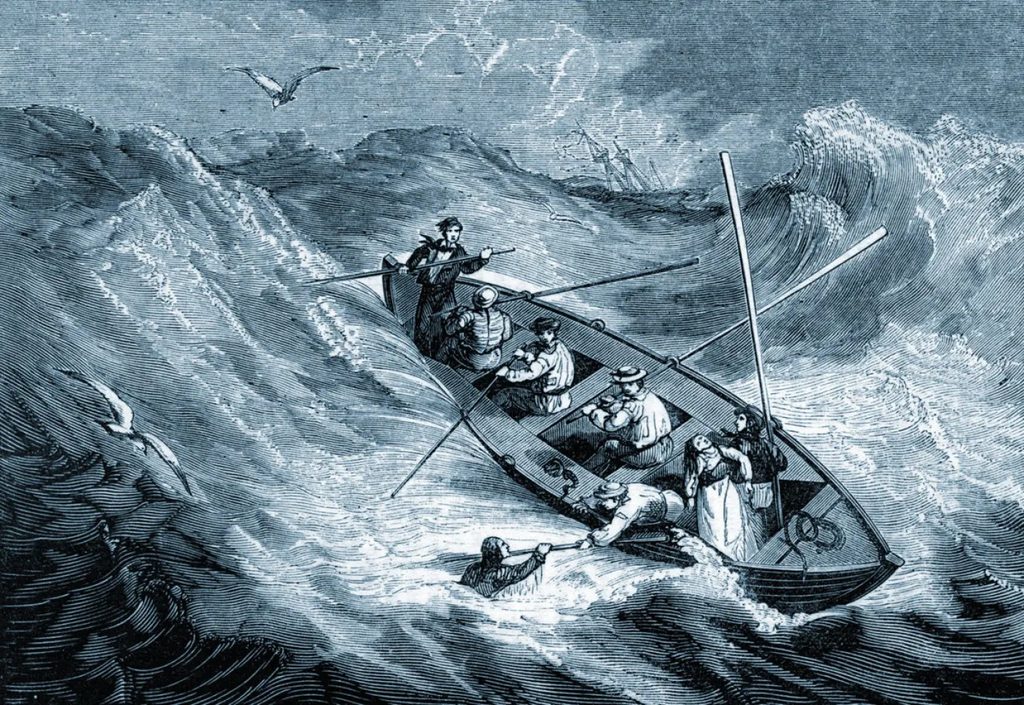
“In that year, the Relief capsized during a storm on the St. Lawrence River below Montreal, leading to the drowning of the captain, while the rest of the crew narrowly escaped.”
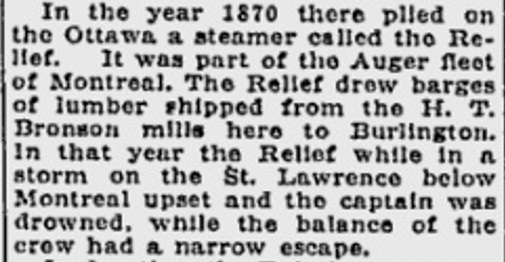
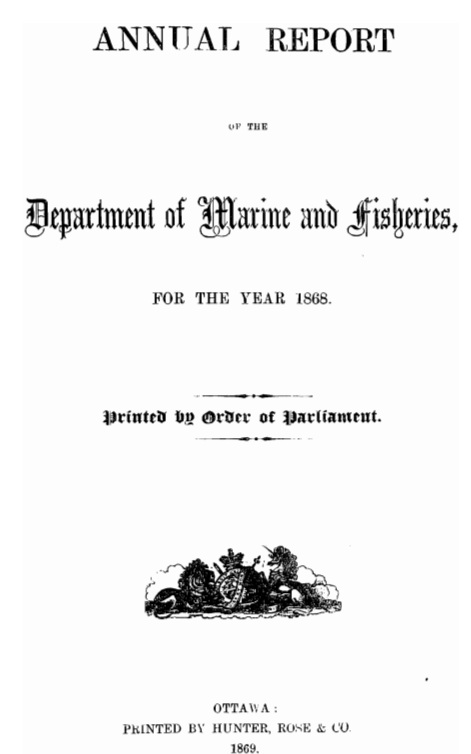
Research suggests that the Captain or journalist made a mistake by claiming the Relief sank in 1870. In fact, it sank two years earlier as indicated in the “ANNUAL REPORT OF THE Department of Marine and Fisheries, FOR THE YEAR 1868”:
“Three Rivers District.— Steamer ‘Relief’ sank on the 5th of May, opposite Sorel, during a gale. The Captain and one of the firemen were lost.”
J. B. Mansfield’s “History of the Great Lakes” characterized the May 1868 sinking as: “Tug Relief capsized near Sorel, Canada; two lives were lost.”
During severe storms, a steamer often lacked the engine power necessary to maneuver both itself and waterlogged lumber barges. If one barge began to sink, it could potentially pull the towing steamship under before the crew had a chance to sever the towlines. It’s also plausible that the Relief was capsized by a massive wave, flooded, or even became jack-knifed by the barges it was towing.
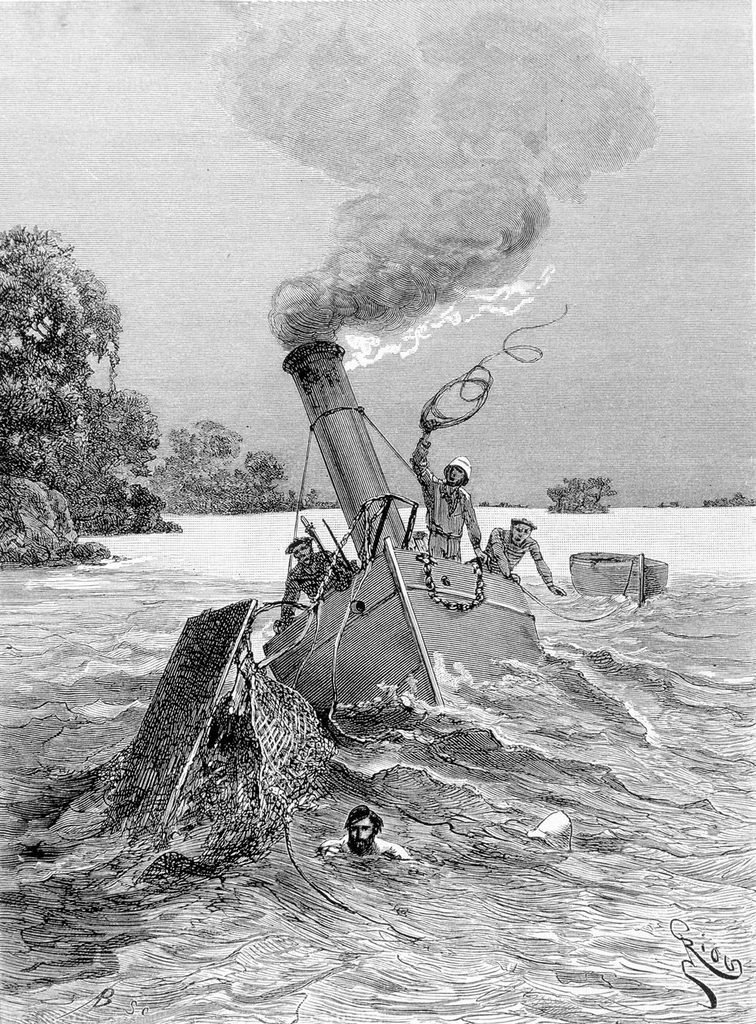
What is certain is that the Captain perished along with one fireman when the ship sank. The second mate, Lefevbre, survived, along with the remainder of the small crew.
Returning to the Ottawa Citizen, the initial article mentioned that the sunken vessel was refloated and returned to service. It also noted a resurgence of alleged haunting activities aboard the Relief:
“Eventually, the Relief was operational once more. However, it wasn’t long before the crew began reporting unusual sounds aboard the vessel—knockings on the exterior of the hull, rappings on the boiler, and strange noises reminiscent of footsteps on the decks. The crew came to believe that the boat was haunted.”
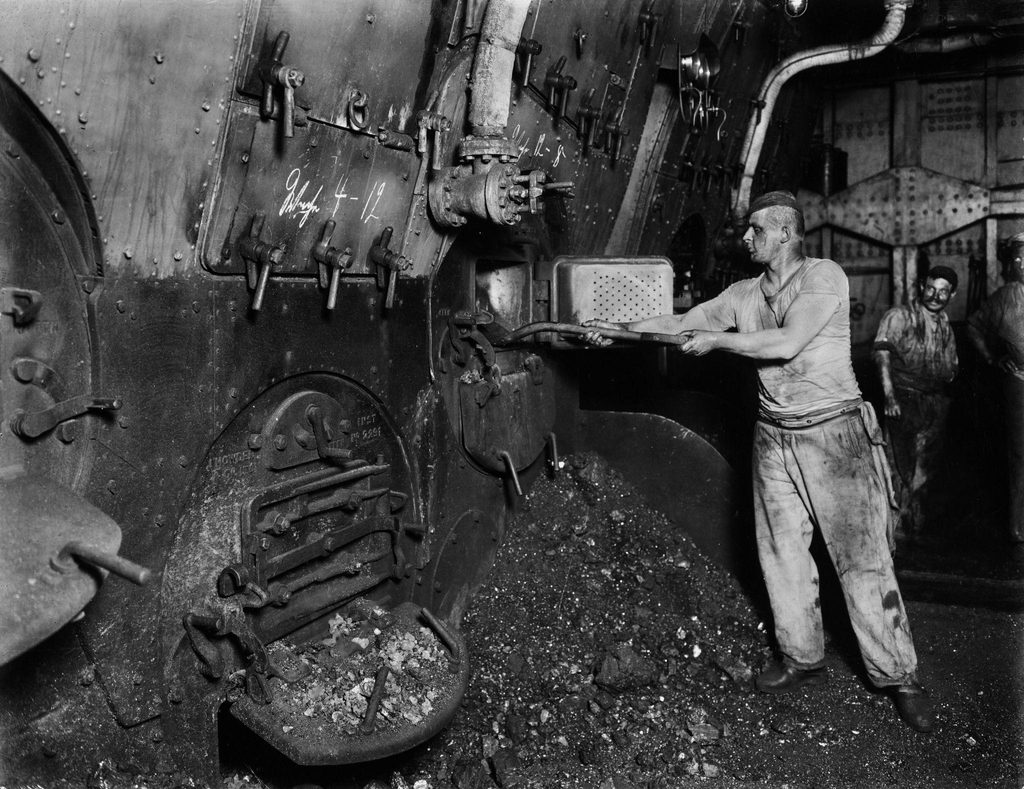
The second pilot, a man named Lefebvre, was the individual who recounted the story to Captain William Bothwell. Lefebvre had been aboard the Relief when it sank near Sorel. He remained for the refloating efforts and repairs, and continued his work on the vessel thereafter.
While Lefebvre himself did not hold a belief in ghosts, he recalled the crew’s incessant complaints about strange noises that disturbed their peace. Many sailors attributed the rapping on the side of the ship and a particular set of footsteps to the ghost of the drowned captain. The ghost of the deceased fireman may have been responsible for the frequent rapping on the boiler and the other set of footsteps on deck.
Regardless, Lefebvre had heard tales about a renowned priest in the village of St. Anne de Bellevue, located at the western tip of Montreal Island. Father Georges-Fidèle-Octave Chèvrefils served as the parish priest from 1858 to 1903 and was celebrated for performing miracles during a river disaster in 1865.
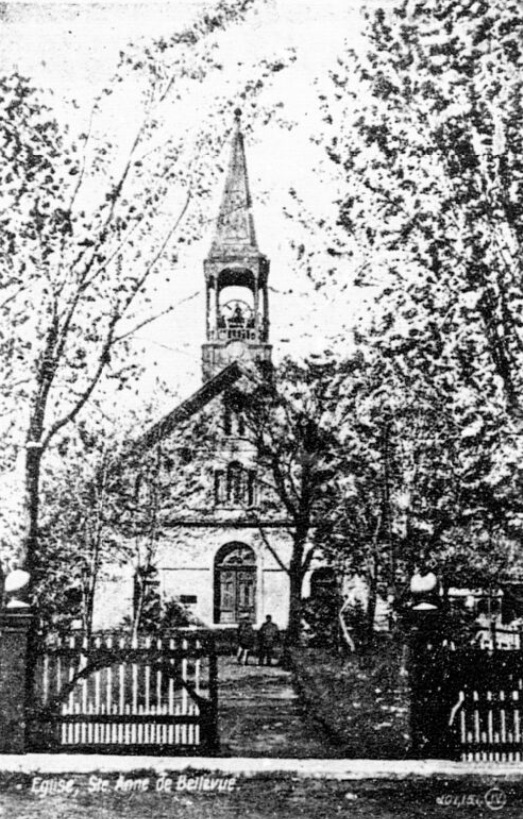
According to the historical account of the parish, the calamity involved sixteen barges carrying approximately fifty men who were swept helplessly downstream by the powerful current of the Ottawa River. The barges were adrift, perhaps due to a snapped towline from a steamship. The scenario appeared so dire that death seemed inevitable.
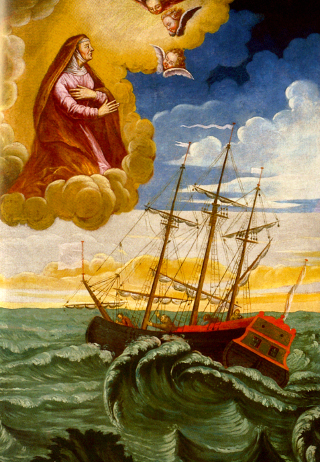
Father Chèvrefils rushed to the riverbank with his parishioners as the disaster unfolded. The crowd feared for the rivermen’s lives as they were swept through the rapids. The priest prayed to God and vowed to establish a day of thanksgiving to Sainte Anne, the patroness of navigators, should the sailors be spared.
As the barges drifted downstream, Father Chèvrefils bestowed the final blessing upon the imperiled men. Described in the parish account as the “dernière et suprême benediction,” this solemn Catholic prayer is given when a person is believed to be facing imminent death.
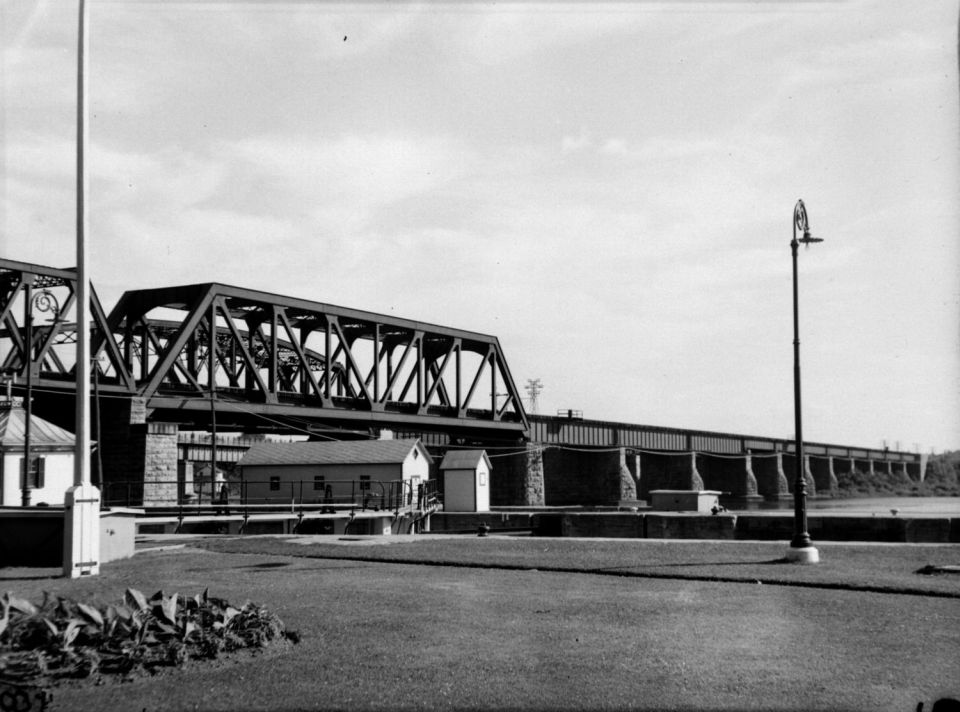
When one of the barges collided with a pier of the Grand Trunk Railway bridge, it shattered, momentarily redirecting the current and preventing the other barges from immediately following it downstream.
Local men then ascended the bridge and utilized ropes to rescue the stranded rivermen.
However, when a captain submerged beneath the water attempting to recover his provisions, the crowd feared he was drowning. Father Chèvrefils knelt among his parishioners and began to pray for the dying captain.
Suddenly, the captain resurfaced and was rescued by an approaching boat. The conventional account claims that while underwater, he mentally prayed: “Jesus, forgive me; Saint Anne, save me!”
The captain’s rescue was deemed miraculous. True to his promise, Father Chèvrefils established what would evolve into the annual celebration of the “Fête de Sainte-Anne” at his parish on July 26, 1865. His reputation as a miracle worker had solidified.
Refocusing on the Relief, the initial Ottawa Citizen article explained:
“One night, while the boat was docked at St. Anne de Bellevue, the crew considered leaving in unison. A man named Lefebvre, who was a second pilot, proposed that rather than departing, they should invite the village priest to bless the boat, thereby driving away any spirits—if they existed. Lefebvre himself was skeptical about this.”
The crew concurred:
“His suggestion was accepted. The priest informed the men that they were being foolish but agreed to bless the vessel, which he did with the necessary ceremony. Captain Wm. Bothwell, who recounts this tale (which he heard from Lefebvre), states that from the moment the priest blessed the boat, the noises ceased to be heard again.
The sailors must have been relieved that the haunting and strange noises had finally come to an end. They attributed the priest’s blessing as the reason the Relief was freed from the spirits that had troubled the steamer.
Father Chèvrefils demonstrated once more that through his religious interventions, he could restore peace of mind to those affected by disturbances. Whether it was natural disasters like the storm that nearly claimed the lives of the rivermen on the barges or supernatural issues like the ghosts haunting the Relief, Father Chèvrefils always had a divine remedy. With such a strong and holy track record, there is speculation that Father Chèvrefils may one day be canonized as a saint.
As for the Relief, it was decommissioned in 1916 and likely dismantled for scrap metal. While there are no physical remnants of Montreal’s haunted steamship today, the ghostly legend of the Relief certainly endures.
Company News
The spooky season has arrived! In preparation for Halloween 2026, our complete range of outdoor ghost walking tours is active. Reserve your tickets for Haunted Old Montreal, Haunted Griffintown, Haunted Mountain, or Haunted Downtown.

Paranormal Investigations in Sainte-Antoine Cemetery and Colonial Old Montreal are underway, and this year we are joined by a new Old Montreal investigation focused on spirits from the New France Era.
Our Haunted Pub Crawl occurs every Sunday at 3 PM in English, and the last Sunday of each month at 2 PM in French. Share some spirits with some spirits.
Our latest tour, the Indigenous-Led Colonial Secrets of Old Montreal, runs every Wednesday and Saturday at 2 PM in English and 4 PM in French until the end of August. Get your tickets now!
Now is the ideal time to book a private tour for September and for the Halloween Season. Any of our experiences can be reserved at any time, depending on the availability of our actors.

Clients can request any date, time, language, and operating tour. These tours are subject to the availability of our actors and start at $250 for small groups of up to 8 participants. Email [email protected] to book a private tour!
Enhance your Halloween gathering by booking one of our Travelling Ghost Storytellers today.

Hear some of the spookiest tales from our tours and blog narrated by a professional actor and storyteller. You provide the venue, and we deliver the stories and storyteller. Find out more and contact [email protected]
Holly and Dr. Mab are back! Now part of Stygian Media, they will continue to release Haunted Montreal videos based on our blogs in both English and French, among other horror-themed content.

In other news, if you wish to gift someone a haunted experience, you certainly can!
We are offering Haunted Montreal Gift Certificates through our website, redeemable via Eventbrite for any of our in-person or virtual events (with no expiration date).

Our online shop is temporarily offline for the next few months. If you wish to purchase any Haunted Montreal-branded t-shirts or mugs in the meantime, please reach out to us at [email protected]
Please like, subscribe, and click the notification bell!
Haunted Montreal has also made temporary changes to its blog experience due to a commitment to a significant writing project! Until further notice, we will provide updates on old stories every two months, alternating with our regular blog service.

Haunted Montreal extends its heartfelt gratitude to all our clients who participated in a ghost walk, haunted pub crawl, paranormal investigation, or virtual event!
If you enjoyed your experience, we encourage you to leave a review on our Tripadvisor page and/or on Google Reviews—every bit helps Haunted Montreal promote its tours.

Lastly, if you would like to receive the Haunted Montreal Blog on the 13th of each month, please sign up for our mailing list.
Coming Up on October 13: An update on the Haunted Statue of Jacques Cartier and the 2026 Halloween Season!
With Halloween just around the corner, Haunted Montreal is planning numerous activities! We are also updating the story of the Haunted Statue of Jacques Cartier, which is currently disturbing Indigenous residents in Saint Henri. Due to its incessant cackling and racist imagery, there are increasing calls to modify or remove the statue once and for all.
Author:
Donovan King is a postcolonial historian, educator, tour guide, and professional actor. As the founder of Haunted Montreal, he blends his skills to create captivating Montreal ghost stories, both in writing and theatrical performance. King holds a DEC (Professional Theatre Acting, John Abbott College), BFA (Drama-in-Education, Concordia), B.Ed (History and English Teaching, McGill), MFA (Theatre Studies, University of Calgary), and ACS (Montreal Tourist Guide, Institut de tourisme et d’hôtellerie du Québec). He is also a certified Montreal Destination Specialist.
